EDINBURG, TX 78539 · 78540 · 78541 · 78542 · 78504 FREE ON-SITE ESTIMATES · HABLAMOS ESPAÑOL · (956) 305-2698 EnglishEspañol
Edinburg Fence & Gate Fence & gate construction — Hidalgo County

Elevation F-4 — vinyl privacy panel

Vinyl — and the permit nobody expects.

No rot, no staining, no graying. Also one of the materials Edinburg specifically requires a residential building permit for, while wood and chain link go permit-free.

Estimate requestNO DEPOSIT · SHEET 1/1
Same-day callback on weekdays. We measure before quoting.
GRADE 6'-0" TYP. PANEL FLOATS IN RAIL — THERMAL MOVEMENT POST CAPS · ROUTED RAILS PERMIT REQUIRED EDINBURG UDC 2.206G
F-4  Vinyl privacy panel — elevation AS DRAWN
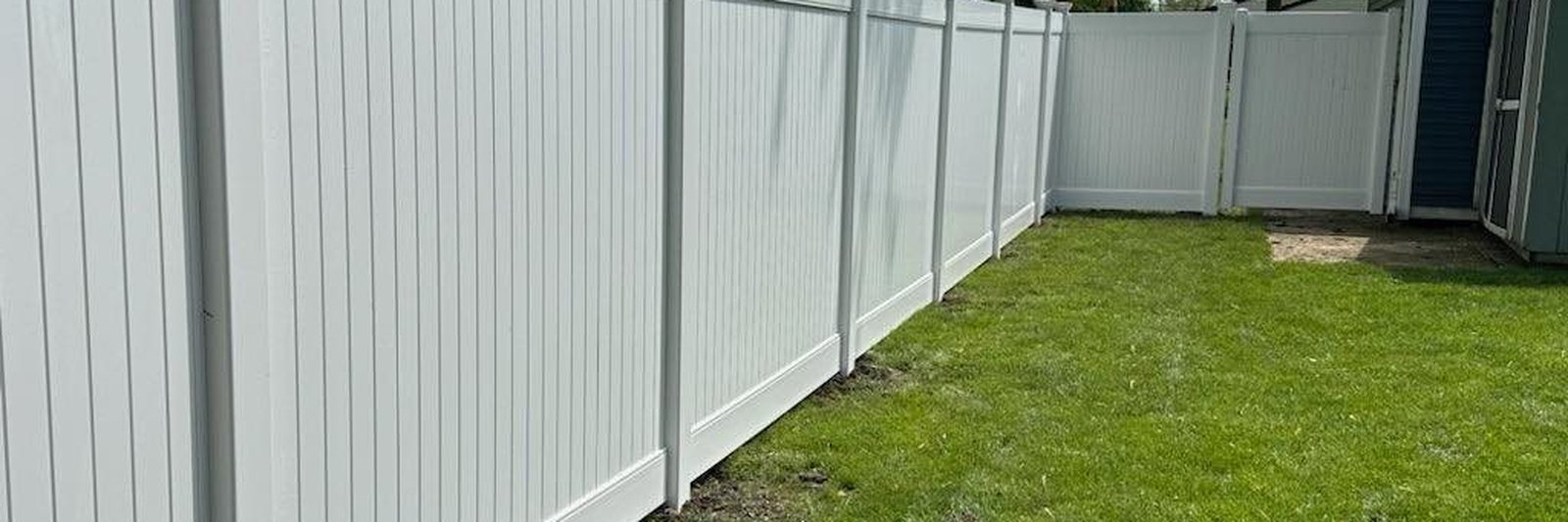
White vinyl privacy fence panels installed along a residential property line
The same panel, built PANEL IS NOT FIXED RIGID — IT HAS TO MOVE WITH TEMPERATURE AS BUILT

The surprise up front

PERMIT POSITION

Edinburg lists vinyl alongside stone, brick, block, concrete, steel, fiberglass, and stucco as materials requiring a residential building permit. Wood and chain link are exempt.

If you are choosing vinyl partly to keep the project simple, the paperwork runs the other way. We file it as part of the job — but you should know before you choose. Full detail in the Permit guide.

Heat, color and movement

MATERIAL BEHAVIOUR

Vinyl expands and contracts with temperature, which is why panels float in routed rails instead of being screwed tight. A rigid vinyl fence will buckle by its second August.

Darker colors absorb more heat than white or tan. Ask what the specific product is rated for before committing to a dark fence in full sun here.

Repair versus replace

Replace damaged vinyl at the at the panel, not patch it. Keep the manufacturer and color on file — matching a discontinued profile five years later is the common headache.

Not all vinyl is the same product

SPECIFICATION

Vinyl fence quality varies more between manufacturers than any other fence material, and the differences are invisible at the point of sale. Wall thickness, the amount of titanium dioxide in the formula, and the UV inhibitor package are what separate a fence that still looks white in fifteen years from one that chalks and cracks in five.

Economy panels sold flat-packed at big-box stores, and contractor-grade products from a fence supplier can look identical in a showroom and behave completely differently in South Texas sun. Ask what the specific product is rated for, and ask what the warranty actually covers — most cover discoloration and cracking, but the terms vary.

Color and heat

White and tan reflect most of what hits them. Darker colors absorb heat, expand more, and are most likely to warp if the product isn't built for it. Darker vinyl in full sun is not automatically a bad idea, but it is a specification question rather than a color-swatch question.

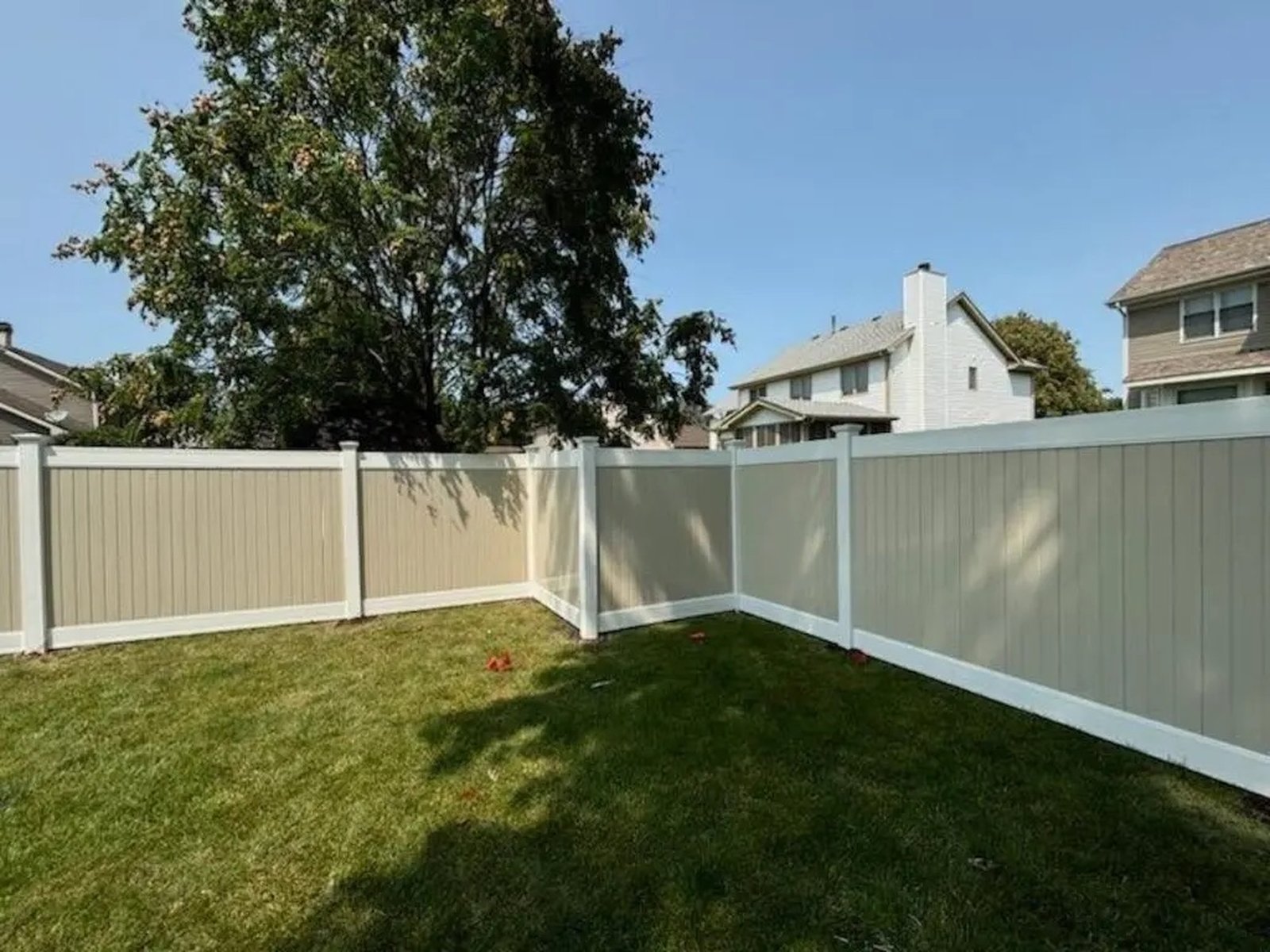
Tan vinyl privacy fence with white posts turning a corner in a back yard
Tan vinyl with white postsLIGHTER COLORS REFLECT MORE OF WHAT HITS THEM

Living with it

MAINTENANCE & REPAIR

The maintenance argument for vinyl is real. No staining, no sealing, no rot, no splinters, no picket that works loose. A hose and an occasional soft brush is the whole regime, and in a climate that chews through wood finishes, that is worth something.

When a panel gets damaged

Vinyl is replaced at the panel rather than patched. That is fast and clean if the profile is still in production, and a real problem if it isn't — manufacturers revise profiles and retire colors, and a five-year-old fence can be hard to match.

Write down the manufacturer, the profile name and the color and keep it somewhere you will find it. It takes two minutes at installation and saves a hunt later. We keep a record of what went on every job for the same reason.

Vinyl against wood

Vinyl costs meaningfully more up front and close to nothing to maintain. Wood costs less and asks for attention every few years. Over a short ownership window, wood usually wins on total cost; over a long one, vinyl closes the gap and then passes it. How long you plan to stay is the deciding input, not the fence itself.
Common questions

FAQ
Why does vinyl need a permit when wood does not?

Edinburg groups vinyl with stone, brick, block, concrete, steel, fiberglass, and stucco as materials requiring a residential building permit, while wood, chain link, wrought iron, and square tubing are exempt. It surprises most owners. We file the application as part of the job.

Does vinyl get brittle or yellow in this sun?

Quality varies sharply by manufacturer. Products with proper UV inhibitors and adequate wall thickness hold color and impact resistance for decades; thin economy panels chalk and crack. Ask what the specific product is rated for before you commit, particularly for a darker color in full sun.

Can a damaged vinyl panel be repaired?

Generally it is replaced rather than patched, which is fast if the profile is still made. Keep a note of the manufacturer, profile and color somewhere you will find it later — matching a discontinued panel five years after installation is a common vinyl headache. vinyl.

Vinyl or wood?

Vinyl costs more up front and almost nothing to maintain. Wood costs less and asks for sealing every few years. In this climate, the gap in maintenance is real, so the decision usually comes down to how long you plan to own the house and how much upkeep you want.