EDINBURG, TX 78539 · 78540 · 78541 · 78542 · 78504 FREE ON-SITE ESTIMATES · HABLAMOS ESPAÑOL · (956) 305-2698 EnglishEspañol
Edinburg Fence & Gate Fence & gate construction — Hidalgo County

Elevation F-3 — ornamental steel panel

Ornamental iron, powder coated for this climate.

Steel and wrought iron picket fencing for front yards, pool enclosures, and anywhere the boundary should still be see-through.

Estimate requestNO DEPOSIT · SHEET 1/1
Same-day callback on weekdays. We measure before quoting.
GRADE 4'-0" TO 6'-0" < 4" CLEAR PICKET SPACING — POOL CODE FLAT TOP — SPEAR TOP AVAILABLE POWDER COATED
F-3  Ornamental steel panel — elevation AS DRAWN
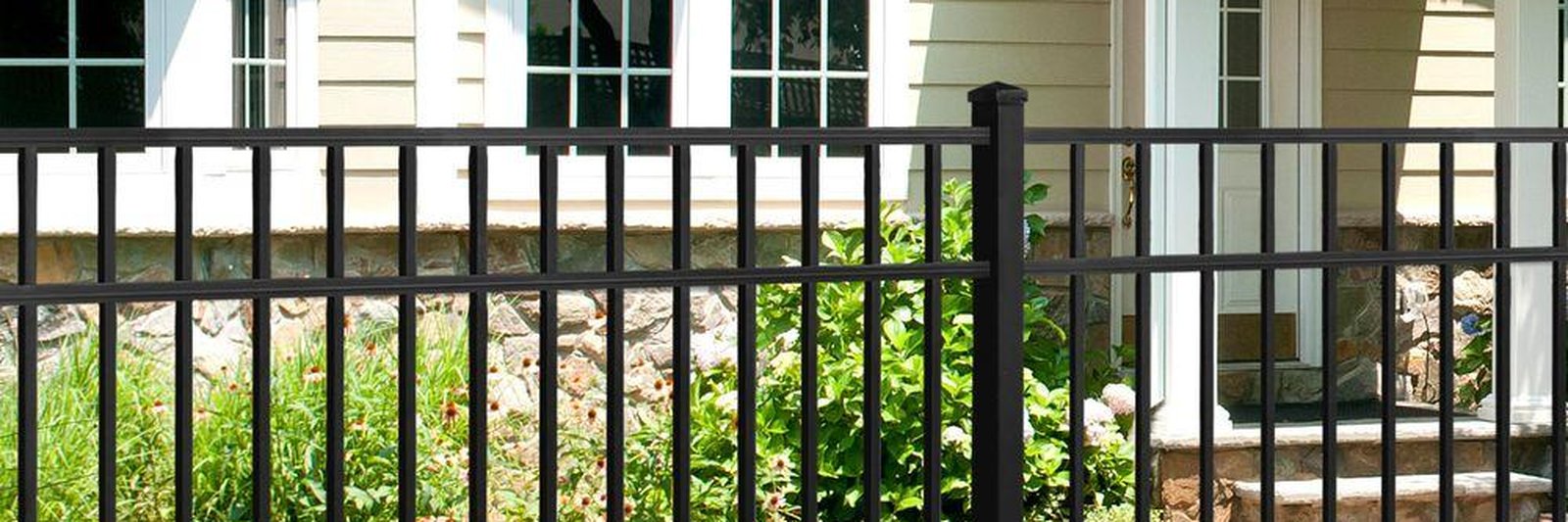
Black powder-coated ornamental steel fence with spear-top pickets installed on a residential boundary
The same panel, built RACKABLE PANELS FOLLOW SLOPED GROUND WITHOUT STEPPING AS BUILT

Powder coating is the part that matters here

FINISH

Bare or wet-painted steel in South Texas sun and humidity finds every scratch and rusts out. Powder coat is baked on and far more durable. Over ten years, it is the difference between a fence that still looks new and one that needs sanding.

Pool enclosures

CODE NOTE
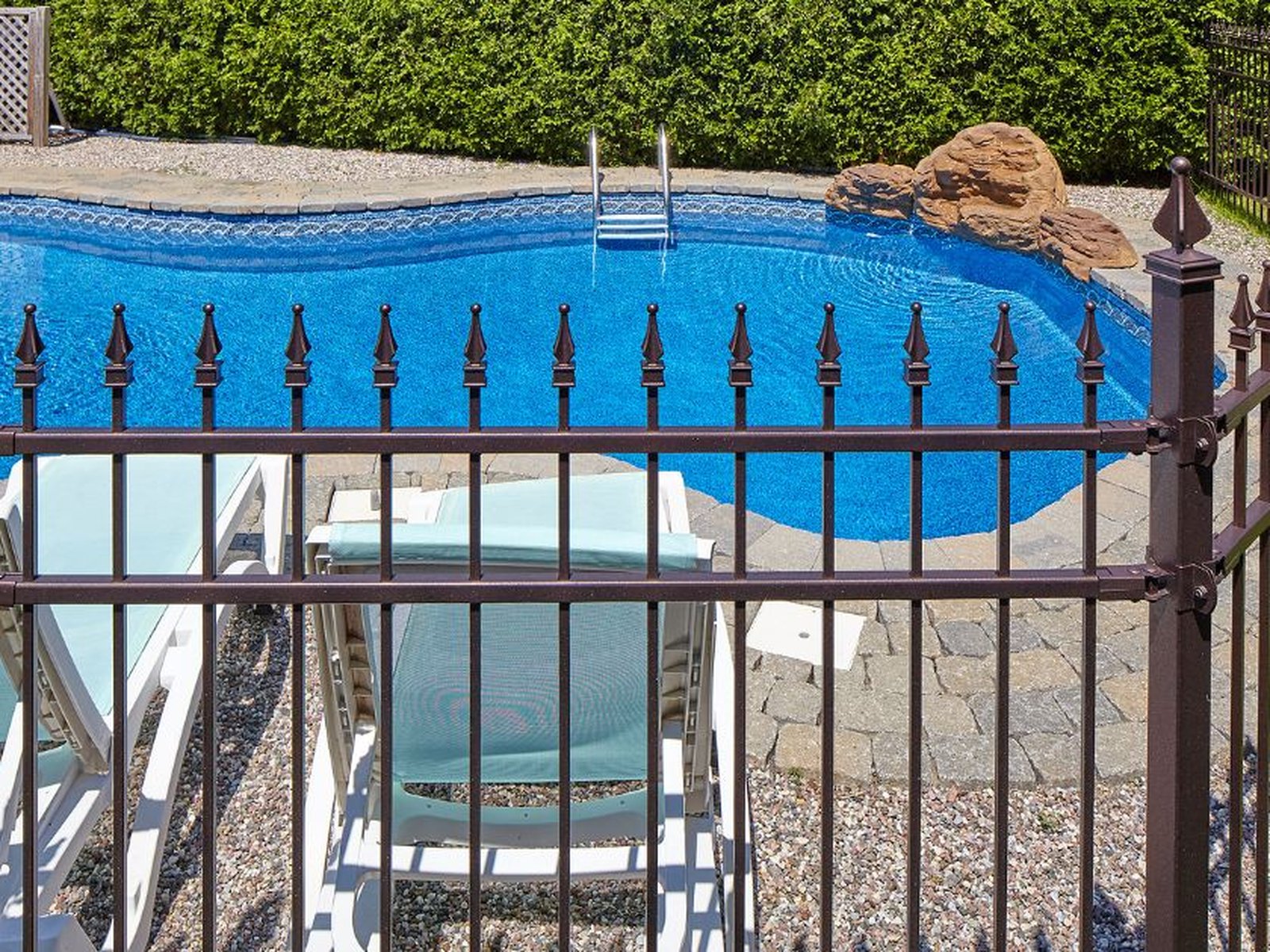
Bronze aluminum pool fence with spear-top pickets enclosing an in-ground pool
Bronze aluminum pool enclosurePOOL BARRIERS HAVE THEIR OWN RULES

Pool barriers have their own rules — picket spacing, minimum height, and self-closing, self-latching gate hardware with the latch above a set height. Ornamental iron is the usual answer because it meets the spacing requirement while staying transparent for supervision.

Pool barrier requirements are separate from the fence rules in the UDC. Confirm the current requirement with the city before building.

Iron is also the default for an automated Driveway gates: rigid enough to span the opening without sagging, and light enough for a residential operator.

Steel, aluminum, and the difference that matters

MATERIAL

Ornamental fencing here comes in two metals, and they are not interchangeable. Steel is heavier and stronger, making it the right choice for long spans, gates, and anywhere a mower or trailer might hit it. Aluminum is lighter and will not rust even where the coating gets breached, which is why it turns up so often around pools.

For a driveway gate, steel wins. A gate has to stay rigid across its whole span while being pushed open and pulled shut thousands of times, and aluminum flexes where steel holds.

Rackable panels versus stepped panels

On sloped ground, a fence either steps down in stages, leaving triangular gaps at the bottom of each section, or it racks — the panel pivots at the picket connections and follows the grade as a parallelogram. Racking costs slightly more and looks considerably better, and it closes the gaps that a dog will otherwise find within a week.

Most of Edinburg is flat enough that this rarely comes up, but any lot with a drainage swale or a raised pad will need it on at least part of the run.

Gate hardware

The hinges and latch are where an iron fence is judged five years in. Self-closing hinges are required on pool gates and worth having on any gate that children use. Heavy gates want ball-bearing hinges rather than the pinned type — they cost more, and they are the difference between a gate that still swings true and one that has dropped an inch at the latch.
Where iron makes sense in Edinburg

APPLICATION

Iron is a boundary, not a screen. It marks the line, keeps children and dogs in, and deters anyone casually crossing the yard — while leaving the house visible from the street and the street visible from the house. Whether that is a benefit or a drawback depends entirely on what you want.

In practice, it goes on front yards, around pools, along driveway frontage, and as the visible portion of a fence line that switches to wood or chain link out of sight. That last arrangement is common and sensible: iron where people see it, something cheaper where they do not.

It also pairs well that pairs with an automated driveway gate without looking like two different projects, since the gate and fence can use built from the same picket and rail spacing.

Common questions

FAQ
Steel or aluminum?

Steel is stronger and better suited to spans, gates, and anywhere the fence might take impact. Aluminum is lighter, will not rust even where the coating is breached, and is common on pool enclosures. Both are powder coated. For a driveway gate, steel is usually the right call.

Will it rust in this climate?

Powder coating is baked on and far more durable than wet paint, so an intact finish holds up well. Rust starts where the coating is broken — a trailer scrape, a string trimmer, a drilled hole. Touch those up when they happen, and the fence stays sound.

Is ornamental iron acceptable for a pool enclosure?

It is the usual choice because it meets picket-spacing requirements while staying transparent enough to supervise the pool. Pool barriers carry their own rules on spacing, height, and self-closing, self-latching gate hardware, separate from the general fence rules. Confirm the current requirement with the city before building.

My yard slopes. Will there be gaps under the fence?

Not with rackable panels. Rackable sections pivot at the picket connections so the panel follows the grade as a parallelogram, instead of stepping down in stairs and leaving triangular gaps at the bottom. On anything but level ground, it is worth specifying.

How does it compare to wood on cost?

Ornamental iron sits well above wood up front and well below it over time, because there is nothing to stain, nothing to rot, and no picket to replace. It is the right choice when you want a boundary rather than privacy.