Reference sheet P-1 — UDC 2.206G · updated September 2026
Usually not. But the exceptions catch people out, and two of them are common in Edinburg's newer subdivisions.
No permit needed
ALL THREE MUST BE TRUE
Permit required
ANY ONE TRIGGERS IT
Not allowed
PROHIBITED OUTRIGHT
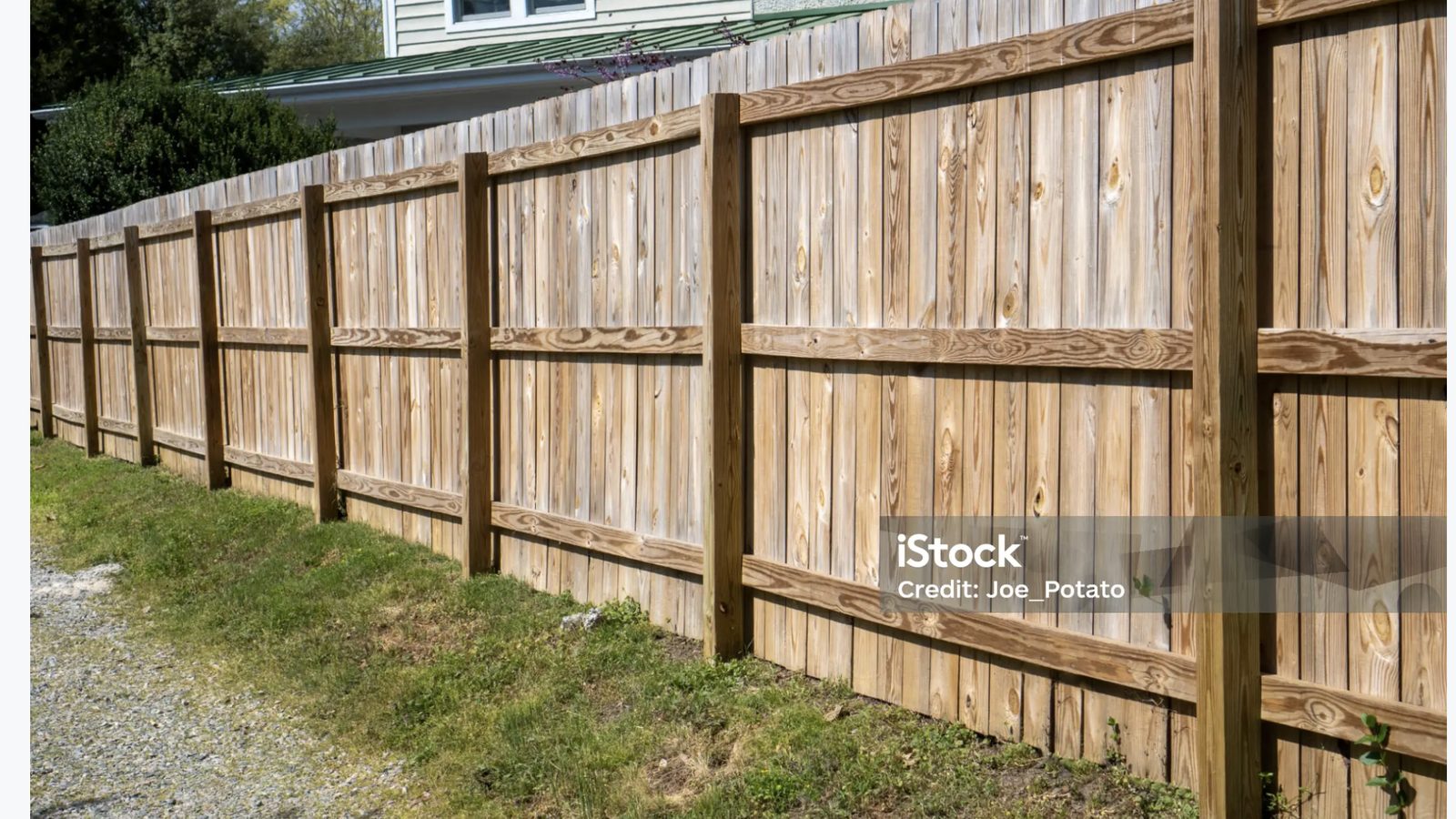
A six-foot wood privacy fence on an interior lot needs no permit in Edinburg. It clears all three exemption tests.
That covers most residential fence work in the city. Replacing a rotted cedar fence along the back and side lines of a mid-block lot — almost certainly exempt, nothing to file.
The rules bite in three places, and two of them are common here.
A corner lot triggers the permit requirement no matter what the fence is made of or how tall it is. The same applies to any fence in a street yard. If your lot fronts two streets, plan on filing — and plan on the city looking closely at where the fence sits relative to the right-of-way.
This matters in Edinburg specifically: the subdivisions that went up on the north and west sides over the past twenty years are full of corner lots. A Driveway gates is in the street yard by definition.
This surprises almost everyone. Vinyl is grouped with stone, brick, concrete, and stucco on the city's list of materials requiring a residential building permit, while Wood privacy and Chain link are exempt. If you are weighing vinyl against wood partly to avoid hassle, the paperwork runs the other direction.
Fencing with structural supports visible to the public or from adjacent properties is prohibited. Rails and posts face into your yard; the street and your neighbors get the finished face.
This isn't a style preference; here, and it changes how the fence must be framed — which is why our wood fence elevations show the rails as hidden lines.
The residential fence application goes to Planning & Zoning before you seek a building permit. It asks for owner and contractor names, contact phone and email, property address, property ID, subdivision, whether the property is in an HOA, construction materials, and the height at the highest point. A site plan is attached or drawn on the sheet provided with the form.
City of Edinburg Planning & Zoning
| ADDR | 415 West University Drive, Edinburg, TX 78539 | |
| TEL | (956) 388-8303 | |
| planning@cityofedinburg.com | ||
| FORM | Residential fence application (PDF) | |
THE CITY NOTES PERMIT FEES MAY NOT BE REQUIRED FOR SOME FENCE PERMITS
The form asks whether you are in an HOA, but city approval and HOA approval are different things. An HOA can restrict height, material, color and picket style well beyond the city. Clearing one does not clear the other, and the HOA is usually slower.
Where this comes from
The criteria above are taken from the City of Edinburg's residential fence application form, which cites UDC Section 2.206G. Edinburg has been updating its Unified Development Code, so heights and definitions published on older third-party sites may reflect the superseded version.
Before you build, confirm the current rule for your lot with Edinburg Planning & Zoning. This page provides general information, not a permit determination — only the city can make that call.
On an interior lot, no. The exemption requires all three: not in a street yard or on a corner lot, not over seven feet, and built of wood, chain link, wrought iron, or square tubing. A standard six-foot backyard fence clears all three.
A permit is required for any fence over seven feet on any yard, and a fence over eight feet is prohibited outright. Solid fences over three feet in a front yard are also prohibited. Confirm current figures with Planning and Zoning before building.
Yes. Vinyl is listed with stone, brick, block, concrete, steel, fiberglass, stucco, and other masonry materials as requiring a residential building permit, while wood and chain link are exempt.
It does. A corner lot requires a permit no matter the material or the height, as does any fence in a street yard. Edinburg's newer subdivisions on the north and west sides have many corner lots, so this catches people out regularly.
Yes. Fencing with structural supports visible to the public or from adjacent properties is prohibited, so rails and posts face into your yard. It affects how the fence has to be framed, not just how it is turned.